
Hey there! I'm a supplier of special packaging laminated film, and today, I want to chat about the environmental impacts of this stuff. Special packaging laminated film is all around us, used for all sorts of products, from snacks to sauces. But what's the deal with its environmental footprint? Let's dig in!
1. Production Impacts
The production of special packaging laminated film is a complex process that has several environmental implications. First off, most of these films are made from plastics, which are derived from fossil fuels. Yup, oil and gas are the main ingredients here. Extracting and processing these fossil fuels release a ton of greenhouse gases into the atmosphere, contributing to climate change.
For instance, the monomers used to make polymers like polyethylene, polypropylene, and others that are commonly found in special packaging laminated film are produced in refineries. These processes require a huge amount of energy, and that energy often comes from non - renewable sources. This means that right from the start, the production of our special packaging laminated film has a significant carbon footprint.
Another aspect is the use of chemicals in the production process. Coatings, adhesives, and additives are used to give the laminated film its special properties, like barrier resistance or flexibility. These chemicals can be harmful to the environment. They might contaminate water sources if not properly managed during the manufacturing process. And some of these chemicals can also persist in the environment for a long time, causing long - term ecological damage.
2. Packaging Application and Waste Generation
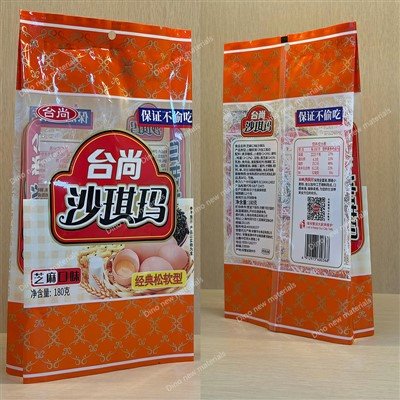
One of the main uses of special packaging laminated film is to provide a protective barrier for products. Take the Sauce Seasoning Food Laminated Pouch for example. It helps keep the sauce fresh, prevents leakage, and gives the product a longer shelf - life. But once the sauce is used up, what happens to the pouch?
Most of the time, it ends up in the trash. And since laminated films are often made up of multiple layers of different materials, they are difficult to recycle. Traditional recycling facilities are not well - equipped to handle these multi - layer structures. As a result, a large amount of special packaging laminated film waste accumulates in landfills.
In landfills, these films don't break down easily. They can take hundreds of years to decompose, taking up valuable space and contributing to the growing problem of solid waste management. And there's also the risk of them leaching chemicals into the soil and groundwater as they slowly break down over time.
3. Disposal and Recycling Challenges
As I mentioned earlier, recycling special packaging laminated film is no walk in the park. The multi - layer nature of these films makes it hard to separate the different materials. For example, you might have a layer of polyethylene combined with a layer of aluminum foil or a paper layer. Each of these materials has different recycling requirements and processes.
Even though there is a growing interest in finding solutions for recycling multi - layer films, the current infrastructure is still limited. There are not enough specialized recycling facilities, and the cost of setting up and operating these facilities is high. So, a lot of the time, these films end up being incinerated instead.
Incineration of special packaging laminated film also has its own set of environmental problems. When burned, plastics in the film release toxic gases, such as dioxins and furans, which are harmful to human health and the environment. And although incineration can generate energy, it's not a perfect solution considering the emissions and the fact that it still doesn't solve the problem of waste reduction.
4. Positive Environmental Aspects
It's not all doom and gloom, though. Special packaging laminated film does have some positive environmental aspects. For one, its use can actually reduce food waste. The High Strength Heavy Packaging Laminated Film can protect products during transportation and storage, preventing damage and spoilage. This means that less food goes to waste, which in turn reduces the overall environmental impact associated with food production and disposal.
Also, some companies are starting to develop more sustainable special packaging laminated films. For example, there are bio - based films made from renewable resources like corn starch or sugarcane. These films are biodegradable or compostable, which significantly reduces their long - term environmental impact. The Granule Packaging Special Laminated Film might be available in more sustainable options in the future, which is great news for the environment.
5. Our Role as a Supplier
As a supplier of special packaging laminated film, we have a responsibility to address these environmental issues. We're constantly looking for ways to make our products more sustainable. This includes researching and investing in new materials and production methods that have a lower environmental impact.
We're also working with our customers to promote the proper disposal and recycling of our products. By educating them about the environmental impacts and the best practices for handling our special packaging laminated film, we can help reduce the overall waste.
For example, we can provide guidelines on separating the film from other waste and direct our customers to the appropriate recycling facilities. And as more sustainable options become available, we'll be able to offer these to our customers, helping them make more environmentally friendly choices.
6. Future Outlook
The future of special packaging laminated film in an environmental context is a bit of a mixed bag. On one hand, the demand for these films is likely to continue growing as the food and beverage industry expands. This means that the environmental challenges associated with their production, use, and disposal will also persist.
On the other hand, there is a growing awareness of the importance of environmental protection. Consumers are becoming more conscious of the environmental impact of the products they buy, and they're demanding more sustainable packaging options. As a result, the industry is under pressure to innovate.
We can expect to see more research and development in the area of sustainable special packaging laminated film. The Baked Wheat Product Laminated Film and Milk Drink Sealing Lid Film might soon be made from more eco - friendly materials, and the recycling infrastructure for multi - layer films is likely to improve.
Let's Connect!
If you're interested in our special packaging laminated film products and want to chat about how we're addressing the environmental impacts or if you have any specific requirements for your packaging needs, don't hesitate to reach out. We're here to work with you to find the best packaging solutions that are both functional and environmentally friendly.


References
- Smith, J. (2022). "Plastic Packaging and the Environment". Journal of Environmental Science.
- Thompson, M. (2021). "Challenges in Recycling Multi - layer Packaging Films". Packaging Technology Review.
- Green, A. (2020). "Sustainable Packaging Initiatives in the Food Industry". Food Industry Journal.