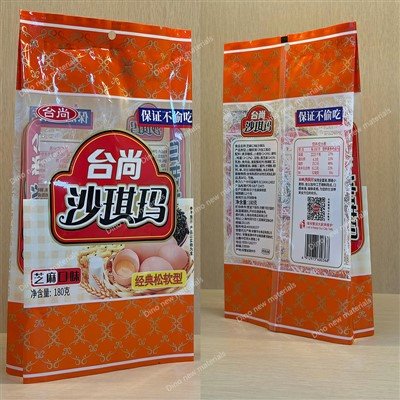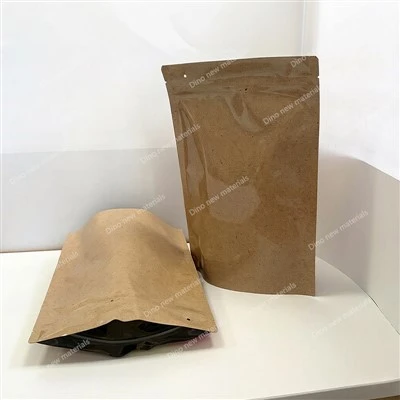

In today's competitive marketplace, ensuring the freshness of products in stand - up pouches is of utmost importance. As a stand - up pouch supplier, we understand the critical role that our packaging plays in preserving the quality of the products our customers offer. In this blog, we will explore the various factors and strategies that can be employed to maintain the freshness of products within stand - up pouches.
Understanding the Importance of Freshness in Packaging
Freshness is a key determinant of product quality and consumer satisfaction. Whether it's food, cosmetics, or pharmaceuticals, consumers expect products to be in their optimal condition when they purchase them. Stand - up pouches have become a popular packaging choice due to their convenience, versatility, and ability to showcase products effectively. However, without proper measures to ensure freshness, the quality of the products inside can deteriorate quickly, leading to customer dissatisfaction and potential loss of business.
Selecting the Right Materials
The choice of materials for stand - up pouches is crucial in maintaining product freshness. Different products require different levels of protection from factors such as oxygen, moisture, light, and odor. For food products, for example, materials with high oxygen and moisture barrier properties are essential to prevent spoilage and maintain flavor.


- Barrier Films: High - quality barrier films are often used in stand - up pouches. These films can be made from materials such as polyethylene terephthalate (PET), nylon, and aluminum foil. PET provides good clarity and mechanical strength, while nylon offers excellent puncture resistance. Aluminum foil is an excellent barrier against oxygen, moisture, and light, making it ideal for products that are sensitive to these elements.
- Laminates: Combining different layers of materials into a laminate can enhance the overall performance of the stand - up pouch. For instance, a laminate might consist of an outer layer of PET for printability and durability, a middle layer of aluminum foil for barrier protection, and an inner layer of polyethylene for heat - sealing and product compatibility.
Proper Sealing Techniques
A proper seal is essential for preventing the entry of air, moisture, and other contaminants into the stand - up pouch. There are several sealing methods available, each with its own advantages and applications.
- Heat Sealing: This is the most common method used for sealing stand - up pouches. Heat sealing involves applying heat and pressure to the edges of the pouch, melting the inner layer of the laminate and fusing it together. The temperature, pressure, and sealing time need to be carefully controlled to ensure a strong and consistent seal.
- Ultrasonic Sealing: Ultrasonic sealing uses high - frequency vibrations to generate heat at the sealing interface. This method is fast, energy - efficient, and can provide a hermetic seal. It is particularly suitable for sealing delicate or heat - sensitive products.
- Zipper Sealing: Stand Up Zipper Pouch offers the convenience of repeated opening and closing while still maintaining a good seal. The zipper should be made of high - quality materials that can withstand multiple uses without breaking or losing its sealing ability.
Controlling the Environment Inside the Pouch
In addition to selecting the right materials and sealing techniques, controlling the environment inside the stand - up pouch can also help to maintain product freshness.
- Modified Atmosphere Packaging (MAP): MAP involves replacing the air inside the pouch with a mixture of gases, typically nitrogen, carbon dioxide, and oxygen. By adjusting the gas composition, the growth of spoilage microorganisms can be inhibited, and the shelf life of the product can be extended. For example, high - carbon - dioxide atmospheres can be used to preserve the freshness of fresh produce, while low - oxygen atmospheres are suitable for preventing oxidation in food products.
- Desiccants and Oxygen Scavengers: Desiccants are used to absorb moisture inside the pouch, while oxygen scavengers remove oxygen. These additives can be placed inside the pouch or incorporated into the packaging material. They are particularly useful for products that are sensitive to moisture and oxygen, such as dried fruits, nuts, and pharmaceuticals.
Design and Printing Considerations
The design and printing of stand - up pouches can also have an impact on product freshness.
- Light Protection: Printing opaque inks or using a matte finish can help to block out light, which can cause degradation of certain products, such as vitamins and pigments. Additionally, the use of UV - resistant coatings can further enhance the light - blocking properties of the pouch.
- Ventilation: For some products, such as fresh produce, proper ventilation is necessary to prevent the build - up of moisture and gases inside the pouch. This can be achieved through the use of micro - perforations in the packaging material.
Quality Control and Testing
To ensure the effectiveness of the measures taken to maintain product freshness, rigorous quality control and testing are essential.
- Seal Integrity Testing: Various methods can be used to test the seal integrity of stand - up pouches, such as bubble testing, vacuum decay testing, and pressure decay testing. These tests can detect any leaks or weak seals in the pouch, allowing for corrective action to be taken before the product is shipped.
- Barrier Property Testing: The oxygen and moisture barrier properties of the packaging material can be tested using specialized equipment. This ensures that the pouch provides the necessary level of protection for the product.
- Shelf - Life Testing: Conducting shelf - life tests under different storage conditions can help to determine the expected shelf life of the product in the stand - up pouch. This information can be used to provide accurate expiration dates and storage instructions to consumers.
Different Types of Stand - Up Pouches and Their Applications
As a stand - up pouch supplier, we offer a variety of pouch types to meet the diverse needs of our customers.
- Three Side Seal Pouch: These pouches are sealed on three sides and are commonly used for packaging small items such as spices, tea, and coffee. They are simple in design and can be produced in large quantities at a relatively low cost.
- Three Side Seal Zipper Pouch: Similar to the three - side - seal pouch, but with the addition of a zipper for easy opening and closing. This type of pouch is suitable for products that require multiple uses, such as snacks and pet food.
- Shaped Pouch: Shaped pouches can be customized to fit the unique shape of the product, providing a more eye - catching and distinctive packaging solution. They are often used for cosmetics, personal care products, and specialty food items.
- Center Seal Pouch: Center seal pouches have a single seam down the center of the pouch, which gives them a unique appearance. They are commonly used for packaging products such as powders, granules, and liquids.
Conclusion
Ensuring the freshness of products in stand - up pouches is a complex process that requires careful consideration of materials, sealing techniques, environmental control, design, and quality control. As a stand - up pouch supplier, we are committed to providing our customers with high - quality packaging solutions that meet their specific needs and help to maintain the freshness of their products.
If you are interested in learning more about our stand - up pouch products or have any questions about ensuring product freshness in packaging, we encourage you to contact us for a procurement discussion. Our team of experts is ready to assist you in finding the best packaging solution for your products.
References
- Robertson, G. L. (2012). Food Packaging: Principles and Practice. CRC Press.
- Han, J. H. (Ed.). (2014). Innovations in Food Packaging. Academic Press.
- Yam, K. L., Takhistov, P. T., & Miltz, J. (2005). Intelligent Packaging Technologies for the Active and Smart Packaging of Food. Journal of Food Science, 70(3), R1 - R10.