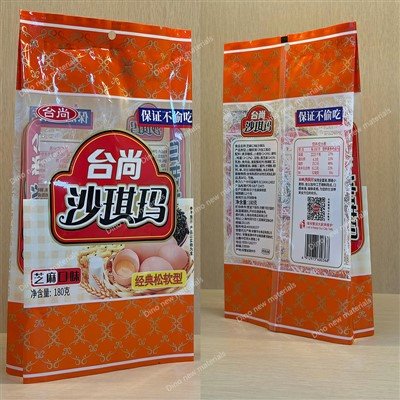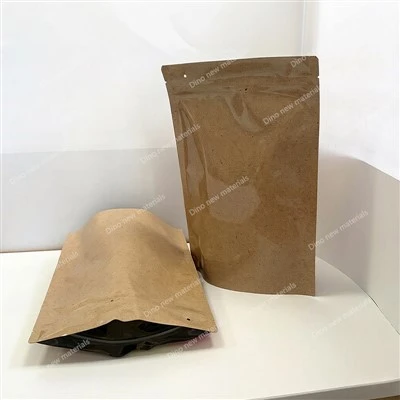

When it comes to liquid dairy products, the packaging design plays a crucial role in preserving product freshness, ensuring safety, and enhancing consumer appeal. As a supplier of Liquid Dairy Sealing Lid Film, I understand the importance of considering various factors to create an optimal packaging solution. In this blog post, I will delve into the key considerations for packaging design when using Liquid Dairy Sealing Lid Film, offering insights from a supplier's perspective.
Product Compatibility
The first and foremost consideration in packaging design is the compatibility of the sealing lid film with the liquid dairy product. Different types of dairy products, such as milk, yogurt, and cream, have unique chemical and physical properties that can affect the performance of the film. For example, milk contains proteins and fats that can interact with the film material, potentially leading to issues such as delamination or flavor transfer. Therefore, it is essential to select a film material that is resistant to the specific components of the dairy product.
In addition to chemical compatibility, the film must also be able to withstand the processing and storage conditions of the dairy product. Liquid dairy products are often pasteurized or sterilized at high temperatures, which can cause the film to shrink, warp, or lose its sealing integrity. Selecting a film with high heat resistance and dimensional stability is crucial to ensure the package remains intact throughout the production and distribution process.
Barrier Properties
Effective barrier properties are essential for protecting liquid dairy products from external factors that can compromise their quality and shelf life. Oxygen, moisture, light, and microorganisms are the primary culprits in dairy product spoilage, and the sealing lid film must provide an adequate barrier against these elements.
Oxygen is particularly detrimental to dairy products as it can cause oxidation, leading to off-flavors, color changes, and nutrient degradation. A high-barrier film with low oxygen transmission rate (OTR) can significantly extend the shelf life of liquid dairy products by minimizing oxygen exposure. Similarly, a film with low moisture vapor transmission rate (MVTR) can prevent moisture loss or gain, which can affect the texture and consistency of the product.
Light exposure can also cause photooxidation and vitamin degradation in dairy products. Using a film with UV-blocking properties can help protect the product from the harmful effects of light, maintaining its nutritional value and sensory quality.


Sealing Performance
The sealing performance of the lid film is critical for maintaining the integrity of the package and preventing leakage. A strong and reliable seal ensures that the product remains fresh and uncontaminated during storage and transportation. Several factors can affect the sealing performance, including the film material, sealing method, and sealing conditions.
The film material should have good heat-sealing properties, allowing it to form a tight bond with the container. The sealing method, such as heat sealing, induction sealing, or ultrasonic sealing, should be selected based on the type of container and the product requirements. The sealing conditions, including temperature, pressure, and dwell time, must be carefully controlled to ensure a consistent and reliable seal.
Convenience and User-Friendliness
In today's fast-paced world, consumers value convenience and user-friendliness in packaging. The design of the liquid dairy sealing lid film should take into account the ease of opening, closing, and resealing the package. A peelable lid film with a clear and easy-to-open feature can enhance the consumer experience, making it more convenient for them to access the product.
In addition, the film should be compatible with different types of dispensing and serving methods. For example, some dairy products are consumed directly from the container, while others are poured into a glass or used in cooking. The packaging design should accommodate these different usage scenarios, providing a seamless and hassle-free experience for the consumer.
Aesthetics and Branding
The packaging design is not only about functionality but also about aesthetics and branding. The liquid dairy sealing lid film can serve as a powerful marketing tool, helping to differentiate the product from competitors and attract consumers. The film can be printed with high-quality graphics, logos, and product information, creating a visually appealing and informative package.
The choice of colors, fonts, and images should be consistent with the brand identity and target market. For example, a premium dairy product may use a sleek and sophisticated design, while a children's yogurt may feature bright and colorful graphics. By incorporating elements of brand identity into the packaging design, the sealing lid film can help to build brand recognition and loyalty.
Sustainability
With increasing consumer awareness of environmental issues, sustainability has become a significant consideration in packaging design. As a supplier of Liquid Dairy Sealing Lid Film, I am committed to providing sustainable packaging solutions that minimize the environmental impact.
One approach to sustainable packaging is the use of recyclable or compostable materials. There are several types of films available that are made from renewable resources and can be easily recycled or composted at the end of their life cycle. Using these materials can help reduce the amount of waste generated and contribute to a more circular economy.
In addition to the choice of materials, the packaging design can also be optimized to reduce the overall environmental footprint. For example, using thinner films or reducing the amount of packaging material can help to conserve resources and reduce energy consumption during production and transportation.
Cost-Effectiveness
While ensuring the quality and performance of the packaging is essential, cost-effectiveness is also a significant consideration for dairy product manufacturers. The packaging design should strike a balance between functionality, aesthetics, and cost. As a supplier, I work closely with my customers to understand their specific requirements and develop packaging solutions that meet their budgetary constraints.
This may involve selecting the most appropriate film material based on the product requirements, optimizing the packaging design to reduce waste, and streamlining the production process to increase efficiency. By offering cost-effective packaging solutions, I can help my customers improve their competitiveness in the market without compromising on quality.
Conclusion
In conclusion, the packaging design of liquid dairy products is a complex process that requires careful consideration of various factors. From product compatibility and barrier properties to sealing performance, convenience, aesthetics, sustainability, and cost-effectiveness, every aspect of the design plays a crucial role in ensuring the success of the product.
As a supplier of Liquid Dairy Sealing Lid Film, I am committed to providing high-quality packaging solutions that meet the diverse needs of my customers. By understanding the unique requirements of each product and working closely with my customers, I can develop customized packaging designs that enhance the product's shelf life, appeal, and overall value.
If you are a dairy product manufacturer looking for a reliable supplier of Liquid Dairy Sealing Lid Film, I invite you to [initiate a discussion about your packaging needs]. I am confident that my expertise and experience in packaging design will enable us to develop a solution that meets your specific requirements.
References
- Pamplona, B. L., de Oliveira, M. A., da Silva, D. C., & Yamashita, F. (2019). Active and intelligent packaging for dairy products: A review. Trends in Food Science & Technology, 83, 268-279.
- Rooney, M. L. (2019). Packaging Dairy Products. Dairy Processing and Quality Assurance, 451-471.
- Robertson, G. L. (2013). Food Packaging: Principles and Practice. CRC press.