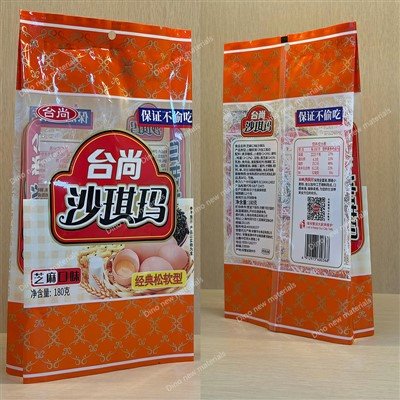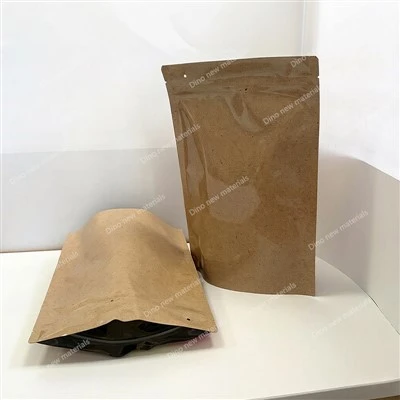

Composite films have become an integral part of various industries, offering a combination of properties that single - layer films cannot achieve. As a leading composite film supplier, I have witnessed firsthand the importance of understanding how composite films adhere to substrates. This knowledge is not only crucial for manufacturers but also for end - users who rely on the performance and durability of the final products.
Understanding Composite Films
Composite films are made by bonding two or more layers of different materials together. These layers can consist of polymers such as polyethylene (PE), polypropylene (PP), polyesters like polyethylene terephthalate (PET), and other specialty materials. The combination of these materials allows for the creation of films with enhanced barrier properties, mechanical strength, and aesthetic appeal. Some of our popular composite films include PET CPP Laminated Film, BOPP PET PE Laminated Film, BOPP CPP Laminated Film, PET PE Laminated Film, and PET PET PE Laminated Film.
Adhesion Mechanisms
The adhesion between composite films and substrates occurs through several mechanisms.
Mechanical Interlocking
One of the most fundamental adhesion mechanisms is mechanical interlocking. When a composite film is applied to a substrate, the surface irregularities of the substrate play a crucial role. The film resin flows into the microscopic pores, grooves, and cavities on the substrate's surface during the lamination process. As the resin cures or solidifies, it forms a physical bond that holds the film to the substrate. For example, when laminating a composite film onto a paper substrate, the rough fibers of the paper provide numerous sites for the film to interlock with.
Chemical Bonding
Chemical bonding is another important adhesion mechanism. There are different types of chemical bonds that can form between the composite film and the substrate. Covalent bonds are the strongest type of chemical bond. In some cases, functional groups on the surface of the film and the substrate can react with each other during lamination, forming covalent bonds. For instance, if the substrate has hydroxyl groups (-OH) and the film has isocyanate groups (-NCO), they can react to form a urethane linkage.
Ionic bonds can also contribute to adhesion. Some polymers may contain ionizable groups that can interact with charged groups on the substrate surface. This type of bonding is more prevalent in materials where electro - static charges are present.
Physical Adsorption
Physical adsorption occurs due to intermolecular forces such as van der Waals forces and hydrogen bonding. Van der Waals forces are weak attractive forces that exist between all molecules. These forces are responsible for the adhesion between the film and the substrate when there are no strong chemical interactions. Hydrogen bonding, on the other hand, occurs when a hydrogen atom is attracted to an electronegative atom such as oxygen, nitrogen, or fluorine. For example, in a composite film containing a polymer with oxygen atoms and a substrate with hydrogen - containing functional groups, hydrogen bonding can enhance the adhesion.
Factors Affecting Adhesion
Several factors can influence the adhesion of composite films to substrates.
Surface Energy
Surface energy is a critical factor. The substrate and the film need to have compatible surface energies for good adhesion. If the surface energy of the substrate is too low, the film may not wet the substrate properly, resulting in poor adhesion. Surface treatments such as corona treatment, plasma treatment, or chemical priming can be used to increase the surface energy of the substrate. These treatments introduce polar functional groups on the substrate surface, improving the wettability and adhesion of the composite film.
Temperature and Pressure
The temperature and pressure applied during the lamination process have a significant impact on adhesion. Higher temperatures can increase the mobility of the polymer molecules in the composite film, allowing them to better penetrate the substrate surface and form stronger bonds. However, excessive temperature can also cause degradation of the materials. Pressure helps to ensure intimate contact between the film and the substrate, facilitating the adhesion mechanisms. The optimal temperature and pressure conditions depend on the types of materials involved in the composite film and the substrate.
Moisture and Contaminants
Moisture can have a detrimental effect on adhesion. Water molecules can interfere with the chemical and physical bonding processes between the film and the substrate. Moisture can cause hydrolysis of chemical bonds, reduce the surface energy of the substrate, and promote the growth of mold and bacteria, which can further weaken the adhesion. Contaminants such as dust, oil, and grease on the substrate surface can also prevent proper adhesion by creating a barrier between the film and the substrate. Therefore, it is essential to keep the substrate clean and dry before the lamination process.
Testing and Quality Control
To ensure the quality and reliability of the adhesion between composite films and substrates, various testing methods are employed.
Peel Testing
Peel testing is one of the most common methods. In this test, a strip of the composite film laminated on the substrate is peeled at a specified angle and speed. The force required to peel the film from the substrate is measured. A higher peel force indicates better adhesion. Peel testing can be performed under different conditions, such as at different temperatures and humidities, to simulate real - world situations.
Shear Testing
Shear testing evaluates the ability of the composite film and the substrate to resist forces that act parallel to their interface. In a shear test, a load is applied parallel to the film - substrate interface until the bond fails. This test is important for applications where the film - substrate assembly is subjected to shear forces, such as in packaging during transportation and handling.
Scratch Testing
Scratch testing is used to assess the surface adhesion and durability of the composite film. A sharp object is drawn across the surface of the film - covered substrate with a controlled force. The resistance of the film to scratching and delamination is observed. This test is particularly relevant for applications where the surface of the product may be exposed to abrasion.
Solutions for Adhesion Issues
If adhesion issues are encountered, several solutions can be considered.
If the adhesion is poor due to low surface energy, surface treatment methods can be optimized. For example, increasing the power or duration of corona treatment can further enhance the surface energy of the substrate. Changing the type of primer or adhesive used in the lamination process can also improve adhesion. Selecting an adhesive with better compatibility with the substrate and the composite film can provide stronger bonding.
In cases where moisture or contaminants are the problem, improving the storage and handling conditions of the materials is crucial. Ensuring that the substrate is stored in a dry environment and cleaned thoroughly before lamination can prevent adhesion problems caused by these factors.
Conclusion
Understanding how composite films adhere to substrates is essential for the successful application of composite films in various industries. As a composite film supplier, we are committed to providing high - quality products with excellent adhesion properties. Our team of experts continuously studies and optimizes the adhesion mechanisms to meet the diverse needs of our customers.


If you are interested in our composite films and would like to discuss your specific requirements, we invite you to contact us for a procurement consultation. We look forward to working with you to find the best composite film solutions for your applications.
References
- ASTM International. (Year). Standards related to adhesion testing of films and laminates. ASTM.
- Owen, M. J., & Wendt, R. C. (Year). "Surface energy and the adhesion of thin polymer films." Journal of Adhesion Science and Technology.
- Jud, K. (Year). "Adhesion promotion techniques: theory and practice." Wiley.