
If you’ve ever handled a stack of stand up pouches and noticed they cling together, attract small pieces of packaging film or dust, or even create a mild static shock when peeled apart, you’ve encountered their electrostatic properties firsthand. As a flexible packaging supplier, I’ve spent years working with these pouches—talking to food manufacturers, pet food brands, and household product producers who regularly ask how static affects their operations. Understanding the electrostatic characteristics of stand up pouches isn’t just a technical detail; it’s critical for streamlining production, reducing waste, and ensuring your product reaches shelves in perfect condition. Let’s break down what these properties are, why they matter, and how to work with them effectively, with insights from the different pouch designs we offer.
First, it’s important to ground this in basic science. Electrostatic charge forms when two materials with different electron densities rub together, transferring electrons and leaving one side positively charged and the other negative. For stand up pouches, the charge doesn’t come from a single layer—most are made of multi-laminated films, combining plastic resins like polyethylene (PE), polyester (PET), nylon (PA), and sometimes aluminum foil for barrier protection. Each of these materials has a unique “triboelectric charge” rating, meaning they gain or lose electrons at different rates when friction occurs. That friction happens at every step of the supply chain: when pouches are wound into rolls before filling, when they’re cut and sealed into their final shapes, when they’re loaded into filling machines, and even when they’re stacked on pallets during transport.
Now, not all stand up pouches have the same electrostatic profile. The design of the pouch itself plays a huge role. For example, when I consult with a brand that packages fine powder—think protein powder or baby formula—we often recommend a Three Side Seal Zipper Pouch, linked here, because its sealed edges and zipper closure help contain the product, but that same sealed structure can trap static if the film isn’t treated properly. The zipper itself, usually made of PE, is a low-cost, easy-to-seal material, but it can build more static than nylon because it has a lower affinity for electrons; when you rub two PE surfaces together, they generate a stronger charge than, say, PET surfaces. I’ve seen this first-hand when a customer’s filling line ground to a halt because pouches were sticking to each other so tightly that the pick-and-place robot couldn’t separate them—all because the zipper film was the only layer generating excess static.
Shaped Pouches, another option we offer, take this a step further. These pouches have custom cutouts, gussets, or unique shapes beyond the standard rectangle, which adds more surface area and more points of friction when moving through machinery. A shaped pouch for a luxury skincare sample, for instance, has curved edges and a narrow spout; when that spout rubs against the main body of the pouch during handling, it creates localized static spots. We recently adjusted the lamination for a shaped pouch client by adding a thin anti-static coating to the outer layer, which reduced the charge by 70% without compromising the pouch’s ability to hold the product or its print quality. That’s a key point: electrostatic properties can be modified with simple material tweaks, as long as you account for how the pouch’s design amplifies or reduces that charge.


Another common design is the Three Side Seal Pouch, linked here, which is a simpler structure without the zipper or additional gussets of a stand up pouch. Wait, hold on—three side seal pouches are actually more flat and don’t stand on their own, so their electrostatic behavior is a bit different than what we typically think of for stand up pouches. The multi-laminate construction is similar, but because they don’t have the bottom gusset that helps stand up pouches stay upright, they tend to move more freely in packaging lines, leading to less sustained friction. That said, for brands that still use three side seal pouches for flat products, static can be a problem when they’re sorted or stacked, so the same anti-static coatings apply. The Eight Side Seal Pouch, linked here, is a more heavy-duty option, often used for bulk food or industrial goods, and its extra seals add more layers of material, which can mean more points where static can build up if not balanced correctly.
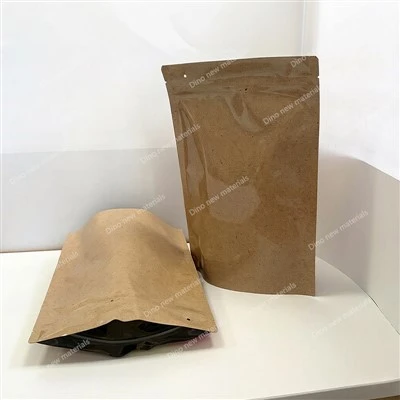
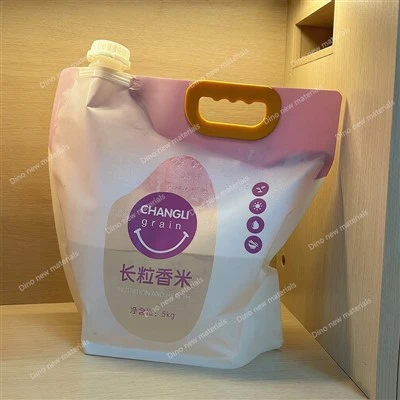
Speaking of stand up pouches specifically, linked here, their design is what makes their electrostatic properties particularly notable. The bottom gusset, which expands to let the pouch stand, is a folded layer that adds thickness and surface area. When the pouch is blown open on a filling line, that gusset is stretched, causing friction between the layers inside and out. Many brands don’t realize that the direction the pouch is wound when it’s delivered to them affects static too—if the roll is wound too tightly, the film layers rub together unevenly, creating stronger charge pockets that are hard to eliminate during filling. I always advise new clients to ask their suppliers about winding tension for stand up pouch rolls, because a small adjustment there can reduce static-related issues by a large margin.
So, why does this all matter? For manufacturers, excess static leads to real, costly problems. Filling line downtime is one of the biggest: I had a snack food client last year who was losing $1,200 an hour when their stand up pouches were sticking to the filling machine’s conveyor belt, causing jams. The pouches in question had an uncoated outer PET layer and an inner PE layer, which when rubbed together created a static charge that made them cling to metal parts of the line. We switched them to a pouches with a static-dissipative outer layer, and their downtime dropped by 85%. Another client, a pet food brand, had issues with fine kibble sticking to the inside of their pouches due to static, which made the pouches look underfilled and led to complaints from retailers. Adding a tiny amount of anti-static agent to the inner PE layer of their stand up pouches solved that problem without altering the food safety of the packaging, which was a huge win for them.
For brands themselves, electrostatic properties also impact product integrity. If a stand up pouch is holding a dry product like coffee beans or spices, static can make fine particles cling to the inside of the pouch instead of settling at the bottom, leading to inconsistent fill levels. For liquid products, excess static can cause the seal to fail in rare cases, because the charge can weaken the bond between laminated layers, especially if the film has absorbed moisture (which can affect how static moves through the material). Even print quality is affected: when a pouch has a strong static charge, ink can repel or smudge during the printing process, leading to wasted packaging and delayed production timelines.
Now, how do you work with these electrostatic properties, rather than against them? As a supplier, I don’t just sell stand up pouches—I help clients tailor their packaging to their specific needs, and that includes addressing static. First, test the film materials: different resins have different triboelectric series positions, so pairing materials with similar charge tendencies can reduce friction-related charge. For example, pairing nylon (a common inner layer for barrier protection) with a PE zipper is a good balance because their charge ratings are close, so they don’t build a strong static difference when rubbed. Second, use anti-static treatments, but choose the right type for your application. There are permanent anti-static coatings that are applied during manufacturing, and temporary ones that are sprayed on before filling. Permanent ones are better for long-term bulk packaging, because they don’t wear off during handling or transport. Third, consider the pouch design: if you’re packaging a product that’s very prone to static—like fine powders or small parts—opt for a simpler, more rounded stand up pouch instead of a highly shaped pouch, or add a slight texture to the outer layer to reduce surface friction. Fourth, prepare your filling line for static: use ionizers near the conveyor and filling stations to neutralize any charge on the pouches before they’re filled, and ensure that all metal parts of the line are grounded to prevent static buildup on machinery.
I should also note that electrostatic properties aren’t all bad. In some cases, static can actually be beneficial: it helps pouches cling to shelves in retail displays, so they stay upright even when bumped by shoppers. For brands that want their stand up pouches to stand out on crowded store shelves, a mild, controlled static charge can help them stay in place, which is a nice side effect when it’s balanced with production needs. The key is not to eliminate static entirely, but to manage it so it doesn’t cause problems in your operations.
If you’re a brand looking to switch to stand up pouches, or you’re currently dealing with static-related issues with your existing packaging, I’m here to help. Our team has worked with dozens of brands across industries to adjust pouch materials and designs to meet their specific needs, whether that’s a high-volume stand up pouch for snack food, a shaped pouch for premium cosmetics, or a three side seal pouch for flat products. We take the time to understand your production line, your product, and your challenges, so we can provide a solution that works for you. Whether you need a small test run of pouches or a large bulk order, we can tailor every detail, including electrostatic properties, to make your packaging process smoother and more efficient.
If you’d like to learn more about our pouch options, including detailed specs on electrostatic properties and material choices, or if you’re ready to discuss your next order, get in touch with our team to start a conversation. We’re here to answer all your questions, from technical details about film laminates to help choosing the right pouch design for your product.
References:
- Soroka, W. (2019). Fundamentals of Packaging Technology (5th ed.). Institute of Packaging Professionals.
- Han, J., & Singh, R. P. (2018). Electrostatic Properties of Flexible Packaging Films and Their Impact on Packaging Operations. Journal of Packaging Science and Technology, 32(2), 112-128.
- Zhang, L., et al. (2021). Triboelectric Charging in Multi-Laminated Stand Up Pouches: Causes, Effects, and Mitigation Strategies. Packaging Technology and Science, 34(5), 219-231.
- Flexible Packaging Association. (2020). Guide to Electrostatic Control in Flexible Packaging Manufacturing and Conversion.