
Hey everyone,
If you’ve ever ordered something that comes in a sealed bag—think of snack bags, small tech accessories, or even some cosmetics—chances are it’s a three side seal zipper pouch. I’ve been supplying these flexible packaging solutions for a few years now, and one question I get asked all the time is, “How fire-resistant are these things anyway?” Most people assume packaging is just for holding stuff, but when it comes to fire safety, it’s not a trivial detail. Let’s break this down in plain terms, no fancy jargon, just what you actually need to know as someone who either uses these bags or is looking to source them.
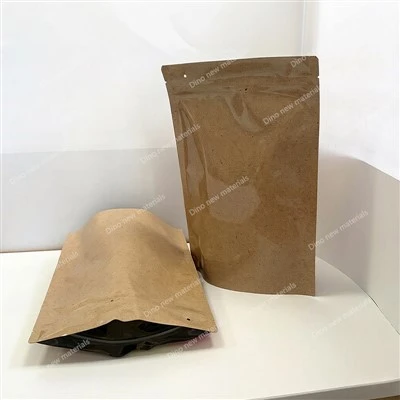
First, let’s start with the basics: what exactly is a three side seal zipper pouch? Unlike a stand up zipper pouch, which has a bottom gusset so it can stand on its own, or a four side seal pouch that’s sealed on all four edges, our three side seal pouches are simple—three edges are heat-sealed shut, and the fourth has the self-sealing zipper strip. They’re lightweight, flexible, super affordable, and perfect for everything from sample products to small retail goods. I’ve linked our full product page for the standard three side seal pouch right here if you want to check out the specs, but today we’re zeroing in on their fire-retardant properties, because that’s where a lot of confusion happens.
When people talk about “fire retardant,” they’re not saying these bags can put out a fire if you toss them in a campfire. They’re talking about how the material behaves when exposed to small, accidental flames—like a spark from a stove, a lit candle tip, or a cigarette ash. Regular plastic bags (like the thin grocery store ones) melt and burn really fast, right? They drip flaming plastic, which makes fires worse. That’s the baseline for comparison. So how do our three side seal zipper pouches stack up?
It all starts with the material we use. Most of our pouches are made from a combination of films—usually polyester (PET), polyethylene (PE), and sometimes nylon for extra durability. Not all these films are inherently fire-resistant, but when we source and process them properly, we add specific coatings or modify the polymer blend to meet industry safety standards. Wait, let’s keep that simple: it’s like how some clothes are treated to be stain-resistant, these films are treated to slow down fire.
The key here is “flame spread rate.” That’s how fast a flame travels across the surface of the bag. For regular non-treated plastic, the flame will move all the way across the pouch in less than a second, and keep burning until the whole bag is gone. Our fire-retardant three side seal pouches? The flame will either go out on its own almost immediately, or only spread a tiny bit before being extinguished. They also don’t produce as much thick, toxic black smoke—something super important if the bag is used in spaces where people work or live, like retail stores or offices.
Now, let’s talk about when this matters. If you’re a small business owner packing up candles or soldering iron tips (things that get hot), a regular bag is a risk. A small spark could melt through the bag, and since the plastic is flammable, it could catch the item inside on fire. Our fire-retardant pouches act as a small barrier—they won’t stop a large fire, but they’ll give you a second or two to put out a tiny spark before it turns into something bigger. That’s the real value here: not being a fire shield, but being a preventative tool for small, common accidents.
I know what you’re thinking: “Is this just marketing hype?” Let’s get into the testing side. We send every batch of our fire-retardant three side seal pouches to third-party labs for standard fire safety tests. The most common one is UL 94, which rates plastic materials for flammability. For our pouches, we aim for V-2 or better. What does that mean? V-2 means if a small flame is applied to the pouch for 10 seconds, it will stop burning within 30 seconds, and any drips from the flame won’t set cotton on fire. That’s way better than a regular bag, which would easily get a V-0 or worse rating (meaning it burns super fast and drips flaming plastic).
Wait, but not all three side seal zipper pouches are made equal. Some suppliers cut corners—they use cheaper, non-treated films and just call them “fire-resistant” to charge more. That’s why it’s so important to work with a supplier who’s transparent about their materials. For example, if you need a pouch for a product that gets shipped in high-heat environments (like a warehouse without AC), you might want a higher fire-retardant rating, or even a heat-resistant version that can handle higher temps. We also make other types of pouches if three side seal isn’t right for you—like stand up zipper pouches for products that need to be displayed on shelves, or even shaped pouches for custom branding—so feel free to ask about those too.
Let’s clear up another myth: fire-retardant doesn’t mean non-flammable. If you set one of our pouches on a stovetop burner, it’s still going to melt eventually. But it will behave way differently than a regular bag. Regular plastic would bubble, catch flame, and release toxic fumes fast. Our treated pouches will char slowly, the flame will die out when the heat source is removed, and the fumes are less toxic. That’s the difference between a small incident and a dangerous one.
We’ve actually had a customer tell us a story that really drove this home. They sell small electronic components, and one time, a worker accidentally dropped a soldering iron spark into a box of our fire-retardant three side seal zipper pouches holding resistors. The spark hit a pouch, and instead of bursting into flame, it just made a small black spot on the surface, and went out in like 5 seconds. If it had been a regular bag, that spark would have melted through and ignited the resistor, which would have been a way bigger problem. That’s the kind of real-world use case where this property matters way more than any textbook test.
Another thing to consider: the zipper part. A lot of people forget that the zipper strip on the three side seal zipper pouch is also part of the structure. We use the same fire-retardant material for the zipper as we do for the rest of the pouch, so the seal is consistent. That means if the edge of the zipper is exposed to a small flame, it doesn’t add extra fuel. No one wants a fire starting right where they open the package, right?
Now, let’s talk about use cases. Who would actually need this? Retailers selling heat-generating products (candles, lighters, small kitchen tools), warehouses that store flammable small items, even brands that want an extra layer of safety for their customers. For example, if you sell a makeup product that has a heated eyelash curler, putting that in a fire-retardant three side seal pouch adds a tiny but important safety feature that customers will notice and appreciate. It’s not just about functionality—it’s about building trust that you care about their well-being, not just the packaging.
I also want to mention that fire-retardant three side seal pouches are still just as easy to customize as regular ones. You can print your logo, choose different sizes, pick clear or matte film, add tear notches—all the things you’d want in a custom pouch. The fire-retardant treatment doesn’t limit the design at all, which is why so many brands are switching over now that they realize the safety benefit without giving up on style or cost.
If you’re still on the fence about whether you need fire-retardant pouches, think about this: how much is it worth to avoid a small accident turning into a costly problem? A single batch of non-treated pouches might be cheaper upfront, but if there’s a fire and you have to replace inventory, or worse, deal with a customer injury, the cost goes way up. Our fire-retardant pouches add a tiny per-unit cost, but the peace of mind is worth it.
Now, if you’re a buyer looking to source three side seal zipper pouches that meet real safety standards, not just empty claims, we can help. We work with businesses of all sizes, from small Etsy shops to large retail chains, and we’ll give you full transparency about our materials and test results. If three side seal isn’t exactly what you need, we can also hook you up with stand up zipper pouches, four side seal pouches, shaped pouches, or eight side seal pouches depending on your product. Just reach out, and we can talk through your specific needs—whether it’s size, print, fire-retardant rating, or anything else. We’re here to make sure you get a pouch that works for your product and keeps your customers safe.
When you’re choosing packaging, don’t sleep on the small details like fire resistance. It’s not the first thing people notice, but it’s the one that could save you from a headache down the line. If you want to learn more about our three side seal pouches or get a quote, feel free to connect.

References
- Underwriters Laboratories. (2021). UL 94 Standard for Tests for Flammability of Plastic Materials for Parts in Devices and Appliances. Northbrook, IL: UL LLC.
- Flexible Packaging Association. (2022). Safety Guidelines for Packaging Materials in Retail and Industrial Applications. Washington, DC: Flexible Packaging Association.
- ASTM International. (2020). ASTM D635: Standard Test Method for Rate of Burning and/or Extent and Time of Burning of Plastic Materials in a Horizontal Position. West Conshohocken, PA: ASTM International.