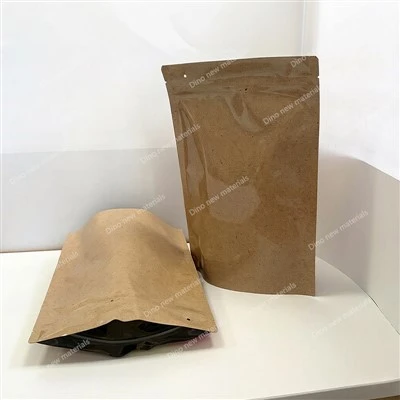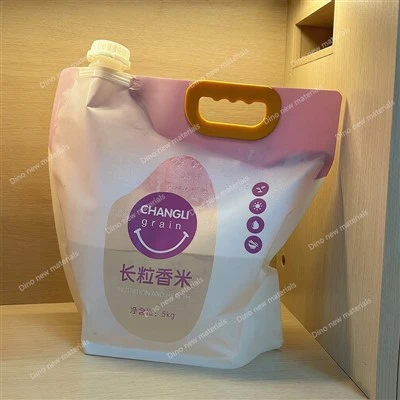

If you’ve ever ordered a bag of premium coffee, a pouch of freeze-dried mango, or even a travel-sized tube of sunscreen, chances are you’ve held a three side seal zipper pouch in your hands. As someone who’s spent the last 8 years in the flexible packaging game—first as a line supervisor on our production floor, now helping walk clients through custom pouch designs—I get asked this question all the time: “Are there actually different types of zippers for these pouches?”
The short answer is a resounding yes. But it’s not just about picking any zipper that fits the pouch’s opening. The zipper you choose changes how the pouch works, how long its contents stay fresh, and even how easy it is for customers to use. After troubleshooting hundreds of custom orders and watching what works for everything from pet food to skincare samples, I’ve learned that every zipper type serves a specific need. Let’s break down the most common ones, how they differ, and when (spoiler: based on client requests) you’d pick each for a three side seal zipper pouch.
First, a quick refresher for anyone new here: a three side seal pouch gets its name from the fact that it’s sealed on three edges, with the fourth being the open top where the zipper goes. Unlike a gusset pouch that has side folds to stand up on shelves, a center seal pouch has a single seam running down its middle, or a four side seal pouch sealed on all sides (no open edge), three side seal is the sweet spot for versatility. It’s thin enough to tuck into a luggage pocket, durable enough to hold 5 lbs of rice, and the zipper lets you open and close it as many times as you need without sacrificing the seal.
Now, let’s talk zippers. The most basic, and most widely used, is what we call a “standard EVA zipper.” EVA stands for ethylene vinyl acetate, and it’s the workhorse of our line. It’s flexible, cheap to manufacture, and seals tight enough for dry goods—think granola bars, trail mix, or craft supplies. The nice thing about EVA zippers is that they come in clear or tinted, so if you want the zipper to blend in (clear) or stand out for branding (neon pink, anyone?), you can adjust it. We use this for 60% of our three side seal zipper pouch orders because it checks so many boxes. But here’s the catch: EVA isn’t great for moisture or oxygen-sensitive products. If you’re packing roasted coffee beans, for example, that EVA zipper might let in a little extra air over time, making the coffee go stale faster.
That’s where the next type comes in: “PE (polyethylene) barrier zippers.” Wait, it sounds similar to EVA, but it’s totally different. PE zippers are thicker, and they have a special coating that blocks oxygen, moisture, and even light—key for products like tea, protein powder, or nuts. I remember a client a couple years back who was selling artisanal trail mix with superfoods. They initially went with EVA zippers, but within a month, their customers were leaving reviews saying the mix tasted “flat.” Switched to PE barrier zippers, and the reviews went back to 5 stars. The difference is the barrier layer—so PE zippers aren’t just reusable, they’re good for extending shelf life. We only use them when a client tells us their product needs that extra protection, but it’s worth every penny.
Then there’s the “resealable slider zipper.” Wait, standard zippers have two interlocking plastic strips that you press together, right? A slider zipper has a small plastic piece (the slider) that runs along the strips to close them, and you can add a little pull tab to make it easier for kids or people with dexterity issues. Oh, and some slider zippers have a “tear strip” at the top that makes opening the pouch really clean—no jagged edges. We did a run of snack pouches for a pediatric hospital, and they insisted on slider zippers with large pull tabs because nurses and parents needed to open them quickly without fumbling. It’s a small detail, but it makes a huge difference for end users.
Wait, there’s another one I almost forgot: “zip-lock with a tear notch or slider zippers (sri) zippers.” Yeah, the acronym is a mouthful, but basically, it’s a zipper that has a tiny pre-cut notch at the top. So instead of using scissors or your nails to open the first time, you just pull the notch, and it splits the seal perfectly. This is super popular for products like sunscreen tubes, travel-sized toiletries, or prescription samples. A lot of our beauty brand clients love these because they make the pouch feel premium—customers don’t have to struggle to open it, which builds goodwill. I remember when we first started offering these a few years ago, a small batch of natural skincare brand came to us and said their old pouches were getting returned because people couldn’t open the top. Switched to Sri zippers, and their return rate dropped by 12%—game changer.
Now, let’s address a question I get all the time: can I use a zipper meant for a stand up pouch on a three side seal zipper pouch? Yeah, technically, but it’s not always a good idea. A stand up pouch has a wider opening because it needs to hold more weight and stand on shelves, so its zippers are often longer and sturdier. But if you cram a stand up pouch zipper on a three side seal pouch that’s only 5 inches wide, it’ll look bulky and might not seal as tight. Same with eight side seal pouch zippers—those are for heavy-duty, multi-layer pouches that get shipped around the world, so their zippers are reinforced. Save those for when you actually need them.


Another thing to consider: if you’re planning on reusing the pouch, don’t just pick any zipper. Some zippers are designed for single-use, while others are reinforced so you can wash and refill them. We worked with a zero-waste brand last year that sold bulk oats and legumes in three side seal zipper pouches. They wanted customers to be able to reuse the pouch 5-6 times, so we used a reinforced PE zipper with a tight interlock—no gaps, no wear and tear after multiple opens and closes. It’s a niche use case, but it’s something we factor into every order.
I’ll be honest, early in my career, I thought zippers were zippers—just grab the cheapest one that fits. But over time, I’ve seen how the wrong zipper can ruin a great product, and how the right one can make a brand stand out. The EVA zipper is perfect for dry, low-sensitivity goods; PE barrier zippers for anything that needs to stay fresh longer; slider zippers for ease of use; and Sri zippers for that premium, hassle-free opening.
If you’re a brand owner looking to make your first three side seal zipper pouch, or you’re reworking an existing line, don’t sleep on the zipper. It’s the part your customer interacts with every time they use your product, so it’s worth getting right. If you have questions about which zipper works best for your product, just reach out. We don’t do one-size-fits-all here—we’ll walk through your needs, adjust the design, and make sure your pouch works exactly how you want it to.
Want to chat more about custom three side seal zipper pouches and the right zippers for your line? Feel free to connect with our team to discuss your project. We can help you choose the perfect zipper, tweak the pouch size, and make sure every detail works for your product and your customers.
References
Flexible Packaging Association. (2022). "Modern Zipper Technologies for Flexible Pouches". FPA Industry Guidelines.
Smith, J. (2021). "End User Preferences for Reclosable Flexible Packaging: A Retailer Survey". Packaging Technology and Science.
Lee, S. & Park, H. (2020). "Barrier Properties of EVA vs. PE Zippers for Food Packaging". Journal of Flexible Packaging.