
If you’ve ever shopped for powder packaging bags—whether for coffee, protein supplements, or industrial chemical powders—you’ve probably noticed that two seemingly identical bags can have drastically different price tags. As a powder packaging bags supplier, I hear this question weekly: “Why does a simple bag cost so much more than the one I found on another site?” The truth is, powder packaging isn’t a one-size-fits-all product. Every detail, from the raw materials used to the type of sealing required, shapes the final cost. Over the past decade, I’ve worked with small-batch craft powder brands and large multinational manufacturers alike, and I’ve learned that the cost factors are rooted in both technical requirements and practical supply chain choices. Let’s break down the key elements that influence how much you’ll pay for powder packaging, so you can make informed decisions without overspending.
First, and most foundational, is the type of raw material blend you choose for your powder packaging. Powders are inherently tricky to package; they’re fine, prone to clumping, and often sensitive to elements like moisture, oxygen, or UV light. For example, a high-fat protein powder will go rancid quickly if exposed to oxygen, so its bag needs a barrier layer that blocks air. A laundry detergent powder, on the other hand, might need resistance to harsh chemicals, while a food-grade spice powder requires materials that meet strict health and safety standards.
The base of most powder packaging bags is laminated film—a combination of thin layers like polyethylene (PE), polyethylene terephthalate (PET), aluminum foil, and sometimes nylon. Each layer adds a specific function, and the quality and quantity of these layers drive cost. Basic bags for low-sensitivity powders (like unseasoned flour for home baking) might use a single-layer PE film, which is affordable but offers almost no barrier protection. Mid-range bags for powders like coffee creamer (which is dairy-based and sensitive to moisture) might add a PET layer for puncture resistance and a thin aluminum foil layer to block oxygen—this blend costs 30-50% more than a single-layer PE bag, but it extends shelf life by months. Premium bags for sensitive powders (like pharmaceutical excipients or infant formula) often include a second aluminum layer or a specialized co-extruded film that resists pinholes. These high-performance materials can double the base cost of the bag.
A less obvious material-related factor is the certification your packaging needs. For food-grade powders, you’ll need compliance with standards like FDA 21 CFR or EU 10/2011, which require testing for chemical migration from the film into the powder. For organic powders or kosher products, additional certifications add both testing time and cost. I once had a small organic protein powder client who switched from a standard food-grade film to a kosher-certified blend to access European markets—this added 15% to their per-bag cost, but it unlocked a 40% larger customer base. It’s not just about meeting minimum standards; it’s about aligning the material with your powder’s unique needs, and that alignment directly impacts price.
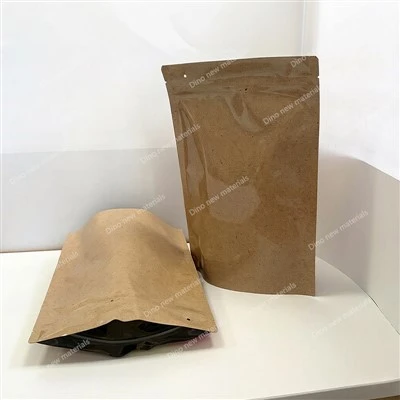
Next, the bag’s design and functional features are massive cost drivers, and they’re often tailored to how you’ll use and store your powder. The most basic design is a flat pouch, which is cheap to produce but takes up a lot of space in storage and on shelves. Stand-up pouches, the most popular choice today for retail powder products, add a gusseted bottom and side panels to let the bag hold its shape when filled. The extra material and manufacturing steps for the gusset can add 10-20% to the cost per unit, but they improve shelf appeal and make the powder easier to scoop—two factors that boost sales, so many brands find the trade-off worth it.
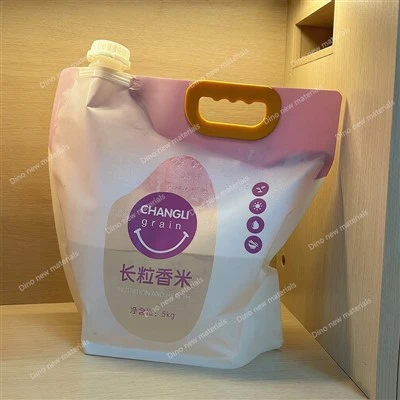
Then there are functional features specific to powder handling and use. A resealable zipper, for example, is a must for many powders (like protein powder or pre-workout supplements) because it keeps the product fresh after opening. A standard zipper adds 5-10% to the bag’s cost, but a zipper with a tear notch (for easy opening) or a child-resistant closure adds even more—critical for products like household cleaning powders. Pour spouts are another feature: fine powders can be messy to pour, so a spout lets users dispense exactly what they need without spilling. The molding and integrating a spout into the bag can add 20-30% to the cost, but for bulk powder packaging used in food service or industrial settings, it’s a non-negotiable feature.
Even elements like printing and branding play a role in cost, though they’re often secondary to functionality. Digital printing, which is popular for small-batch brands, allows high-quality, full-color designs on short runs (as low as 1,000 bags), which is perfect for startups. Flexographic printing, used for larger runs, is cheaper per bag but requires custom printing plates, which can cost $500-$1,000 to create. So if you only need 5,000 bags, digital printing will be cheaper, but if you need 50,000, flexo plates are a one-time cost that brings the per-unit price down. It’s also important to note that the film you choose affects print quality; aluminum foil-backed films show metallic, vibrant prints, while clear films look crisp too. For some brands, the ability to showcase their powder’s color (like bright yellow turmeric powder) is worth the slight premium for clear barrier film, even if it costs a bit more.


Another underdiscussed factor is the sealing requirements for your powder packaging, which ties directly to how your powder is filled. Powders generate static electricity as they’re poured into bags, which can cause them to stick to the bag’s inner seal and create weak spots. That means the seal layer needs to be specialized to prevent that sticking. For example, if you’re packaging a dairy-based powder like milk powder, you’ll need a seal film that’s compatible with dairy products and resistant to moisture. In our product line, we offer specialized films tailored to these needs—like the Milk Drink Sealing Lid Film, which is designed to create a strong, non-sticking seal for dairy-related powders and liquid products. For dried grains, which are often bulk-packed and need a robust seal to prevent contamination, our Dried Grain Product Laminated Film is engineered to withstand the stress of high-speed filling lines without leaking or breaking the seal. For baked wheat products, which often have fine, flour-like powders that can cause seal contamination, the Baked Wheat Product Laminated Film’s anti-static layer prevents powder from sticking, ensuring a consistent, reliable seal every time. These specialized sealing films aren’t a mandatory add-on for every powder, but if your filling line runs at high speed or your powder is prone to static, they can save you money in the long run by reducing seal failures and product waste.
Beyond the bag itself, the volume and customization of your order play a huge role in cost. This is a principle I learned early on in my supply chain work: the more bags you order, the lower the per-unit cost. Manufacturing powder packaging bags is a process of setup and scale. The first step for an order is setting up the printing plates, cutting tools, and sealing molds—this setup cost is fixed, whether you order 100 bags or 100,000. So if you order 1,000 bags, that $1,000 in setup cost is spread across only 1,000 units, adding $1 to each bag. If you order 50,000 bags, that same setup cost is spread across 50,000 units, adding just $0.02 to each bag. It’s not just fixed setup, though; material suppliers also offer bulk discounts on film rolls, so the more film you buy, the lower the price per pound of film. That’s why startups often feel like they’re paying a premium—they’re placing small, low-volume orders, and all those fixed costs add up per unit. That said, we do offer flexible minimums for small-batch brands, because we know growing brands can’t afford to tie up their capital in 50,000 bags when they’re just launching.
Quality control is another factor that impacts cost, but it’s one that’s well worth the investment. A bag with a pinhole or a weak seal can lead to powder contamination, spoilage, and costly product recalls. For a food brand, a single recall can ruin years of reputation, so investing in strict quality checks is non-negotiable. At our facility, every roll of film is tested for barrier performance and puncture resistance, and every batch of finished bags is tested for seal strength and powder retention. This level of QC adds a small percentage to each bag’s cost, but it prevents the far larger costs that come from a bad batch. I’ve seen a startup lose $20,000 in product because their cheap, untested bags developed pinholes in a warehouse with high humidity— a mistake they’ll never make again, and one that highlights why cutting corners on quality control is false economy.
Finally, regulatory and compliance requirements across different markets add layers of cost that many brands overlook when sourcing packaging. If you’re selling your powder in the U.S., you need FDA compliance; if you’re selling in the EU, you need EU food contact regulations; if you’re exporting to Asia, there are local standards like GB 4806.7 in China. These requirements often mean different film blends, different testing, and different labeling, all of which add to the cost of the bag. For example, a film that’s compliant for U.S. food use may not meet EU standards, so you’ll need to either source a different film or get additional testing for the same film. Some suppliers skip this testing to offer lower prices, but that’s a risk that can lead to seized shipments at customs or costly fines. As a supplier, we handle all the necessary testing and documentation for our customers, which means our prices reflect that compliance work, but it saves our clients from the hassle and risk of non-compliance.
If you’ve read this far, you might be thinking, “So how do I balance cost and quality?” The key is to prioritize the features that are non-negotiable for your specific powder, rather than paying for extras you don’t need. For example, if you’re packaging a small batch of baking flour for local sale, a basic food-grade flat pouch without a zipper is sufficient and affordable. If you’re packaging a retail protein powder that will sit on shelves for 12 months, you’ll need a barrier film, stand-up design, and resealable zipper. If you’re packaging a bulk industrial powder that’s filled at high speed, you’ll need specialized sealing films that prevent static and seal failures. That’s why it’s so important to talk through your specific needs with a supplier—we can help you identify the must-have features and cut the ones that are overkill for your product.
Whether you’re a startup launching your first powder product or an established brand looking to switch to a more reliable packaging supplier, understanding these cost factors will help you make a decision that aligns with both your budget and your product’s needs. At the end of the day, powder packaging isn’t just a container—it’s what protects your product, preserves its quality, and makes it easy for customers to use. Investing in the right bag for your powder isn’t a cost; it’s an investment in your product’s success.
If you’re ready to discuss your powder packaging needs, or want more details on how our specialized films can work for your product—whether you’re packaging dairy powders, grains, baked goods, or other powder-based items—reach out to our team for a customized quote. We can walk you through every step, from material selection to design, to make sure you get a bag that fits your needs and your budget.
References:
- Soroka, W. (2018). Fundamentals of Packaging Technology. Institute of Packaging Professionals.
- Hanlon, J. F., et al. (2019). Packaging Handbook (6th ed.). CRC Press.
- European Food Safety Authority (EFSA). (2020). Guidelines on Food Contact Materials. EFSA Journal.
- American Society for Testing and Materials (ASTM). (2021). Standard Test Methods for Seal Strength of Flexible Barrier Materials. ASTM International.