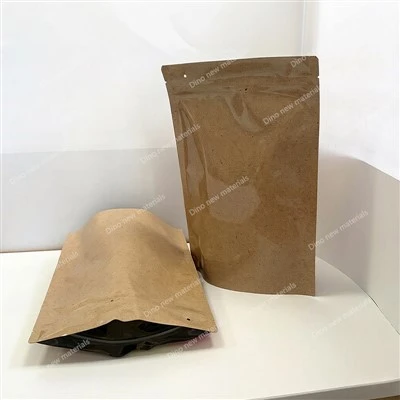

Standard bags are a staple in various industries, serving a multitude of purposes from retail packaging to industrial storage. As a supplier of standard bags, I often get asked about the cost of these essential items. The price of a standard bag can vary significantly based on several factors, which I'll explore in this blog.
Factors Influencing the Cost of Standard Bags
Material
The material used to manufacture a standard bag is one of the most significant cost - drivers. Common materials include plastic, paper, and fabric.
Plastic bags are popular due to their durability, flexibility, and low cost. Polyethylene (PE), for example, is a widely used plastic for standard bags. Low - density polyethylene (LDPE) is softer and more flexible, while high - density polyethylene (HDPE) is stronger and more rigid. The cost of plastic bags can range from a few cents to several dollars per bag, depending on the thickness, size, and quality of the plastic.
Paper bags are an eco - friendly alternative. They are often made from kraft paper, which is strong and can be recycled. The cost of paper bags depends on the weight of the paper, the type of finish (such as coated or uncoated), and any additional features like handles or printing. Generally, paper bags are more expensive than plastic bags, especially if they are made from high - quality or recycled paper.
Fabric bags, such as those made from cotton or polyester, are more durable and reusable than plastic or paper bags. They are often used for shopping or promotional purposes. However, the cost of fabric bags is typically higher due to the cost of the fabric, the manufacturing process, and any customizations.


Size
The size of the standard bag is another crucial factor in determining its cost. Larger bags require more material, which increases the production cost. For example, a small plastic sandwich bag will cost significantly less than a large industrial - size plastic tote bag. Additionally, larger bags may require more complex manufacturing processes, such as additional seams or reinforcements, which can also add to the cost.
Design and Features
The design and features of a standard bag can greatly impact its price. Simple, plain bags with no additional features are generally the cheapest. However, bags with custom printing, such as logos or product information, will cost more due to the printing process and the cost of the ink.
Bags with special features, such as zippers, handles, or gussets, also come at a higher price. For instance, a Three Side Seal Zipper Pouch is more expensive than a regular Three Side Seal Pouch because of the added cost of the zipper. Similarly, a Gusset Pouch is pricier than a flat - bottomed bag due to the additional material and manufacturing complexity required to create the gusset.
Quantity
The quantity of bags ordered has a direct impact on the cost per unit. Generally, the more bags you order, the lower the cost per bag. This is because of economies of scale. When producing a large quantity of bags, the fixed costs of production, such as setting up the manufacturing equipment, are spread out over a larger number of units. For example, if you order 1,000 bags, the cost per bag may be $0.50. However, if you order 10,000 bags, the cost per bag may drop to $0.30.
Market Conditions
Market conditions, such as the cost of raw materials and labor, can also affect the price of standard bags. If the price of plastic resin increases due to supply and demand issues or geopolitical factors, the cost of plastic bags will likely go up. Similarly, changes in labor costs, such as minimum wage increases or labor shortages, can impact the overall production cost and, therefore, the price of the bags.
Cost Ranges for Different Types of Standard Bags
Plastic Bags
Small plastic retail bags, such as those used in convenience stores or boutiques, can cost as little as 1 - 5 cents per bag when bought in bulk. These are usually made of thin LDPE or HDPE and have a simple design.
Medium - sized plastic shopping bags, often used in grocery stores, may cost between 5 - 20 cents per bag, depending on the size, thickness, and any printing.
Large industrial plastic bags, such as those used for packaging bulk materials, can cost anywhere from 50 cents to several dollars per bag, due to their larger size and the need for stronger materials.
Paper Bags
Small paper shopping bags, like those used in gift shops, may cost around 10 - 30 cents per bag. These are typically made of lightweight kraft paper and may or may not have a handle.
Medium - sized paper bags with handles, commonly used in department stores, can cost 30 cents to $1 per bag. The cost increases if the bag has custom printing or a higher - quality paper finish.
Large paper bags, such as those used for bulk food products or large - item packaging, may cost $1 - $5 per bag, depending on the size, paper weight, and any additional features.
Fabric Bags
Reusable cotton tote bags, often used in grocery shopping or promotional events, can cost anywhere from $2 - $10 per bag. The cost varies based on the size, the quality of the cotton, and any custom printing.
Polyester drawstring bags, commonly used for sports or travel, may cost $1 - $5 per bag, depending on the size and style.
Specific Types of Standard Bags and Their Costs
Let's take a closer look at some specific types of standard bags and their cost ranges.
Center Seal Pouch
A Center Seal Pouch is a popular choice for packaging various products, such as snacks, powders, and liquids. The cost of a center seal pouch depends on the material (usually plastic), the size, and any printing or additional features. For small - to medium - sized center seal pouches made of common plastic materials and without complex printing, the cost can range from 5 - 20 cents per bag in bulk orders. Larger or more customized center seal pouches can cost 20 cents to $1 per bag.
Four Side Seal Pouch
Four Side Seal Pouches offer excellent protection for the contents and are often used for high - end products. The cost of these pouches is generally higher than other types of standard bags. Smaller four - side seal pouches may cost 10 - 30 cents per bag, while larger or more specialized ones can cost 30 cents to $2 per bag, depending on the material quality, size, and customizations.
Contact for Procurement
Understanding the cost factors of standard bags is essential for making informed purchasing decisions. If you have specific requirements for standard bags, such as a particular size, material, or design, I'm here to help. Whether you need a small quantity for a local event or a large - scale order for your business, I can provide you with competitive pricing based on your exact needs. Reach out to discuss your procurement needs, and let's find the perfect standard bag solution for you.
References
- Packaging Machinery Manufacturers Institute. (2023). Handbook of Packaging Technology.
- Smith, J. (2022). The Economics of Packaging. Journal of Packaging Studies.