
Hey everyone! As a supplier of Antistatic Laminated Film, I'm super excited to dive into how the coating of this amazing product works. So, let's get started!
What is Antistatic Laminated Film?
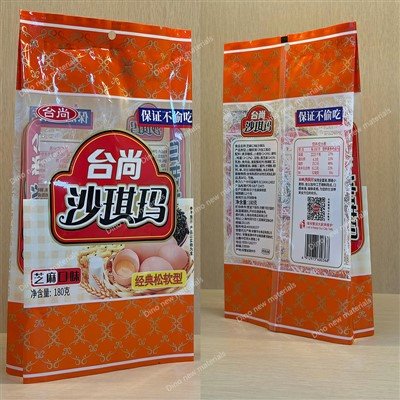
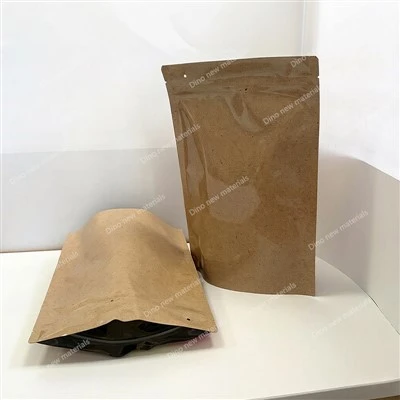
First off, Antistatic Laminated Film, which you can learn more about here, is a type of film that's designed to prevent the buildup of static electricity. Static electricity can be a real pain in many industries, causing problems like attracting dust, interfering with electronic components, and even causing explosions in some hazardous environments.
The film itself is made by laminating multiple layers of material together. And the magic happens with the antistatic coating, which is applied to one or both sides of the film. This coating is what gives the film its unique antistatic properties.
How Does Static Electricity Build Up?
Before we jump into how the antistatic coating works, let's quickly talk about how static electricity builds up in the first place. Static electricity is created when two materials rub against each other. Electrons are transferred from one material to the other, leaving one material positively charged and the other negatively charged. This creates an electrostatic field, which can attract dust particles and cause other issues.
For example, when you walk across a carpet and then touch a metal object, you might get a shock. That's because the friction between your shoes and the carpet causes a buildup of static electricity on your body. When you touch the metal object, the static electricity is discharged, creating the shock.
How the Antistatic Coating Works
The antistatic coating on our Antistatic Laminated Film works in a few different ways to prevent the buildup of static electricity.
Conductivity
One of the main ways the coating works is by providing a conductive path for the static charges to flow. The coating contains conductive materials, such as carbon black or conductive polymers. These materials allow the electrons to move freely across the surface of the film, preventing the buildup of static charges.
Think of it like a highway for electrons. Instead of getting stuck on the surface of the film and creating a static charge, the electrons can travel along the conductive coating and be safely dissipated.


Hygroscopic Properties
Another important property of the antistatic coating is its hygroscopic nature. Hygroscopic materials have the ability to absorb moisture from the air. When the coating absorbs moisture, it forms a thin layer of water on the surface of the film. This layer of water acts as a conductor, further helping to dissipate static charges.
In environments with low humidity, the coating may not be as effective because there's less moisture in the air to absorb. That's why some antistatic coatings are designed to work in a wide range of humidity conditions.
Surface Resistance
The antistatic coating also helps to reduce the surface resistance of the film. Surface resistance is a measure of how easily electricity can flow across the surface of a material. A lower surface resistance means that static charges can be dissipated more quickly.
Our Antistatic Laminated Film has a carefully formulated coating that gives it a low surface resistance, ensuring that static charges are removed effectively.
Applications of Antistatic Laminated Film
Antistatic Laminated Film has a wide range of applications in various industries. Here are just a few examples:
Electronics Industry
In the electronics industry, static electricity can damage sensitive electronic components. Antistatic Laminated Film is used to package electronic devices, such as computer chips, circuit boards, and smartphones, to protect them from static damage during transportation and storage.
Food Industry
In the food industry, static electricity can attract dust and other contaminants to the food packaging. Antistatic Laminated Film helps to keep the packaging clean and free of dust, ensuring the quality and safety of the food.
Pharmaceutical Industry
Similar to the food industry, the pharmaceutical industry also requires clean and safe packaging. Antistatic Laminated Film is used to package pharmaceutical products, such as tablets, capsules, and medical devices, to prevent static attraction of dust and other particles.
Other Types of Laminated Films
In addition to Antistatic Laminated Film, we also offer other types of functional laminated films. For example, our Low Temperature Resistant Laminated Film is designed to withstand low temperatures without losing its flexibility and strength. This makes it ideal for packaging products that need to be stored or transported in cold environments, such as frozen foods and pharmaceuticals.
Our High Barrier Laminated Film provides excellent protection against oxygen, moisture, and other gases. This helps to extend the shelf life of the packaged products, especially food and beverages.
The UV Resistant Laminated Film is designed to block harmful UV rays, which can cause fading and degradation of the packaged products. This is particularly important for products that are sensitive to light, such as cosmetics, vitamins, and certain food items.
And our High Transparency Laminated Film offers high clarity and excellent visibility, making it perfect for showcasing the packaged products. This is commonly used in the retail industry for packaging products like toys, electronics, and consumer goods.
Contact Us for Procurement
If you're interested in any of our Antistatic Laminated Film or other functional laminated films, we'd love to hear from you! Whether you're a small business looking for a reliable packaging solution or a large corporation in need of bulk orders, we can provide you with high-quality products at competitive prices. Just reach out to us to start a procurement discussion.
References
- "Static Electricity and Its Control in the Workplace." Occupational Safety and Health Administration.
- "Antistatic Materials: Principles and Applications." Journal of Electrostatics.
- "Laminated Films for Packaging: A Review." Packaging Technology and Science.