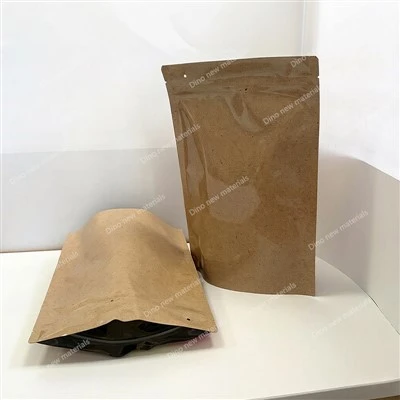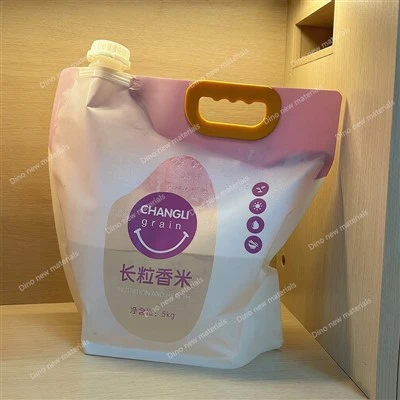

When it comes to packaging liquids, two common options that often come to mind are liquid packaging bags and plastic bottles. One significant aspect that can influence the choice between these two is weight. As a supplier of Liquid Packaging Bags, I have delved deep into the comparison of these two packaging solutions in terms of weight. In this blog, I will explore the weight differences, their implications, and why liquid packaging bags might be a more favorable choice in many scenarios.


Understanding the Basics of Weight
Before delving into the comparison, it's essential to understand what weight means in the context of packaging. The weight of packaging can be divided into two main categories: the weight of the packaging material itself and the weight of the product-packaging combination. The weight of the packaging material is crucial as it directly affects the cost of transportation, storage, and production. A heavier packaging material generally requires more resources to manufacture and transport, which can translate into higher costs for both the manufacturer and the consumer.
Weight of Liquid Packaging Bags
Liquid packaging bags are typically made from flexible laminated films. These films can be composed of multiple layers, each serving a specific purpose such as barrier protection, strength, and printability. The materials commonly used in these films include polyethylene, polypropylene, and aluminum foil. The weight of a liquid packaging bag depends on several factors, such as the size of the bag, the thickness of the film, and the number of layers.
On average, a liquid packaging bag for a standard 500ml product weighs between 5 to 10 grams. This light weight is due to the thin and flexible nature of the laminated film. The flexibility allows the bag to conform to the shape of the liquid, reducing the amount of empty space within the packaging. Additionally, the manufacturing process of liquid packaging bags is designed to minimize material usage, further contributing to their low weight.
One of the advantages of the light weight of liquid packaging bags is the reduced cost of transportation. Since less weight means less fuel consumption during transportation, companies can save a significant amount of money on logistics. Moreover, the low weight of the packaging also means that more products can be transported in a single shipment, increasing the efficiency of the supply chain.
Weight of Plastic Bottles
Plastic bottles, on the other hand, are made from rigid plastic materials such as polyethylene terephthalate (PET), high-density polyethylene (HDPE), or polycarbonate (PC). The weight of a plastic bottle is determined by its size, shape, and wall thickness. For a standard 500ml plastic bottle, the weight can range from 20 to 40 grams, which is significantly heavier than a liquid packaging bag.
The reason for the higher weight of plastic bottles is the requirement for rigidity. The plastic material needs to be thick enough to maintain the shape of the bottle and protect the liquid inside. Additionally, plastic bottles often have caps and labels, which add to the overall weight. The rigidity of plastic bottles also means that they take up more space during transportation and storage compared to liquid packaging bags.
The heavier weight of plastic bottles can lead to higher transportation costs. Since more fuel is required to transport the same volume of liquid in plastic bottles compared to liquid packaging bags, companies may face increased logistics expenses. Moreover, the larger volume occupied by plastic bottles can also limit the number of products that can be shipped in a single container, reducing the efficiency of the supply chain.
Environmental Impact of Weight Differences
The weight differences between liquid packaging bags and plastic bottles also have significant environmental implications. The transportation of heavier packaging materials requires more energy, which in turn leads to higher greenhouse gas emissions. By choosing liquid packaging bags over plastic bottles, companies can reduce their carbon footprint and contribute to a more sustainable environment.
In addition to transportation emissions, the production of packaging materials also has an environmental impact. The production of plastic bottles requires more raw materials and energy compared to the production of liquid packaging bags. The manufacturing process of plastic bottles involves heating and molding the plastic, which consumes a large amount of energy. On the other hand, the production of liquid packaging bags is a more energy-efficient process, as the films are often produced through extrusion and lamination techniques.
Other Considerations Related to Weight
Apart from transportation and environmental impacts, the weight of packaging can also affect the consumer experience. A lighter packaging option such as a liquid packaging bag is more convenient for consumers to carry around. This is especially important for products that are intended for on-the-go consumption, such as sports drinks or single-serve beverages.
Another consideration is the storage space. Liquid packaging bags can be easily stacked and stored in a compact manner, taking up less space in a warehouse or a retail shelf. This can be a significant advantage for companies with limited storage space. Plastic bottles, due to their rigid shape, require more space for storage and display.
Our Product Range
As a supplier of liquid packaging bags, we offer a wide range of products to meet the diverse needs of our customers. In addition to Liquid Packaging Bags, we also provide Baked Wheat Product Laminated Film, Granule Packaging Special Laminated Film, Liquid Dairy Sealing Lid Film, and High Strength Heavy Packaging Laminated Film. Our products are designed to provide excellent barrier properties, durability, and printability, ensuring that your products are well-packaged and protected.
Contact Us for Procurement
If you are interested in our liquid packaging bags or any other packaging solutions, we encourage you to contact us for a procurement discussion. Our team of experts is ready to assist you in choosing the right packaging solution for your products. We can provide customized packaging options based on your specific requirements, ensuring that you get the best value for your investment.
References
- Packaging Machinery Manufacturers Institute. (n.d.). Packaging Materials and Sustainability.
- Plastics Industry Association. (n.d.). Plastic Packaging: Facts and Figures.
- World Packaging Organization. (n.d.). Sustainable Packaging Guidelines.